







Search Results for: dark roast cold brew
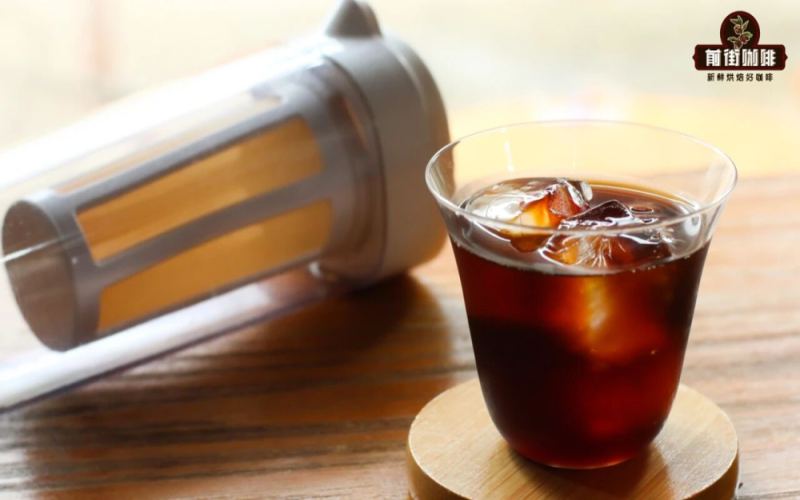
Is Cold Brew Coffee High in Caffeine? A Curated Cold Brew Bean List: How to Choose Between Light-Medium Roast Floral-Fruity Notes and Dark Roast Full-Bodiedness
Cold brew coffee has become a popular summer drink in recent years. It is made by steeping coffee grounds in cold water at a low temperature for a long time, resulting in an icy, refreshing taste and an aroma profile completely different from hot brewing. Many people wonder whether cold brew contains more caffeine; in fact, both steeping time and water temperature affect the final caffeine content. To make a delicious cold brew, bean selection is key: light to medium roasts more easily bring out a refreshing, floral-and-fruity-tea-like flavor, while medium-dark roasts are better suited to pairing with milk, delivering a sweet, mellow experience without bitterness. This article focuses on the caffeine questions surrounding cold brew, bean selection, and whether dark-roasted beans can be used for cold brew, and recommends three distinctive coffee beans—Front Street Coffee Panama Butterfly, Front Street Coffee Strawberry Candy, and Front Street Coffee Brazil Queen Estate—to help you easily make your ideal iced coffee at home. [more…]
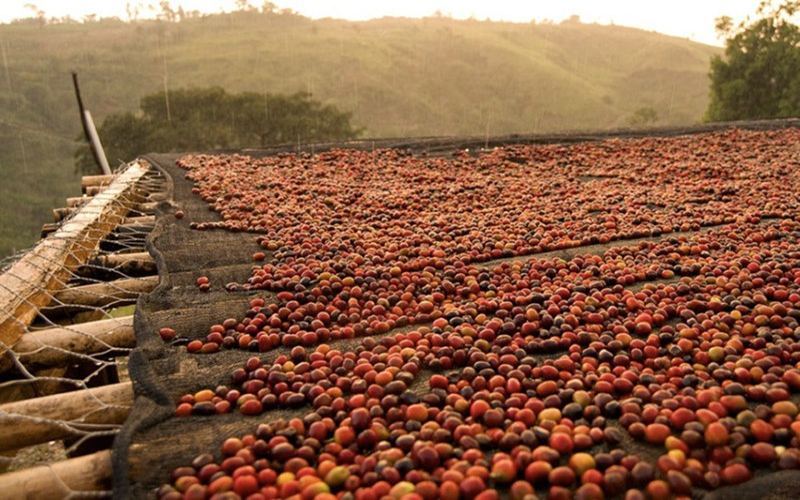
How to Choose Cold Brew Coffee Beans: A Flavor Guide from Light to Dark Roast
Cold brew coffee is left in the refrigerator to extract slowly; on the palate it is usually gentler than hot coffee, and its aromas also unfold in a different order. When choosing beans, the roast level is a very practical clue: light roasts lean toward bright fruit notes, medium roasts make it easier to taste sweetness and balance, while dark roasts bring cocoa, nuts and a rich body. First, decide which kind you want. [more…]
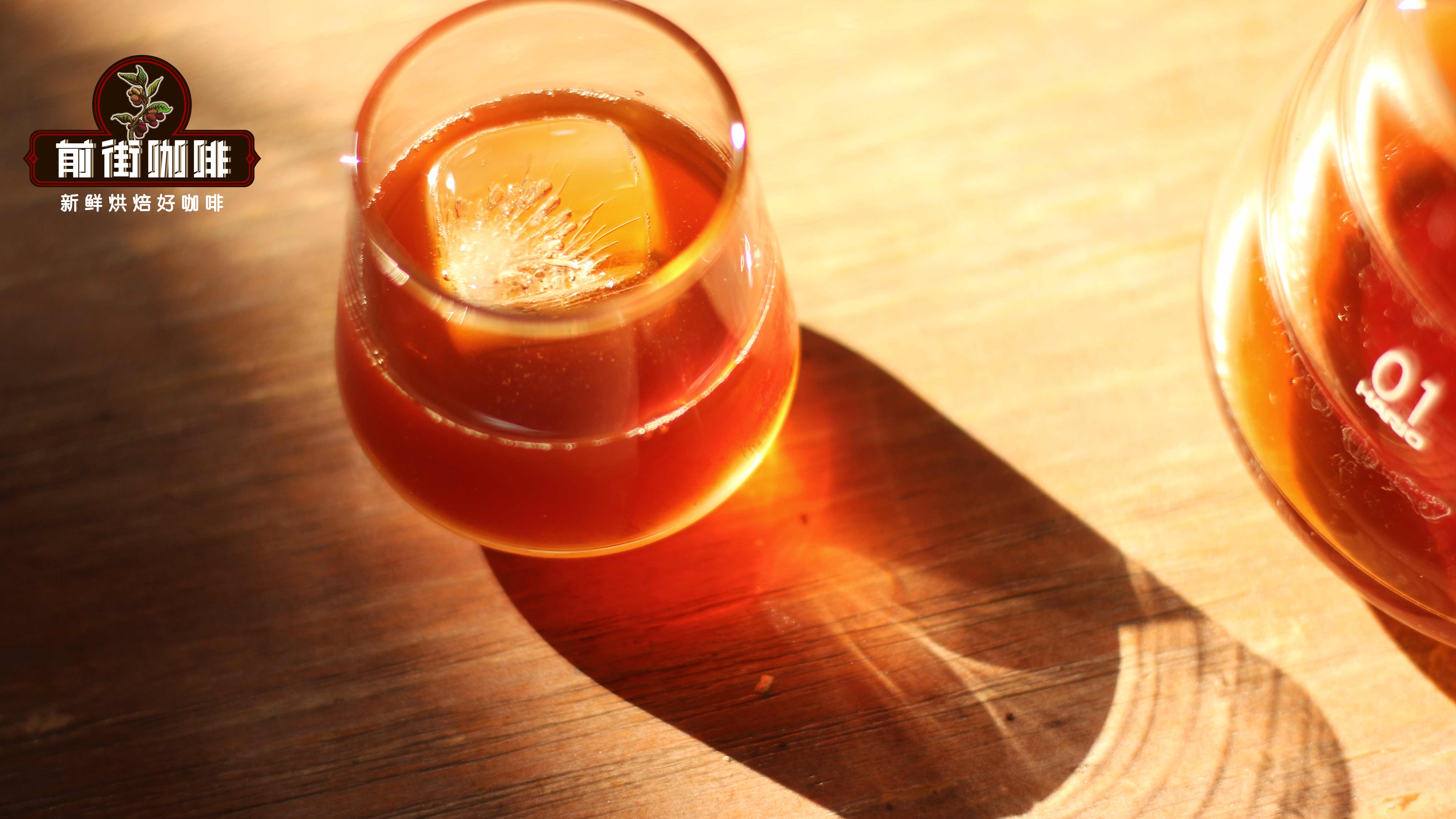
How Do Roast Level and Grind Size Shape Cold Brew Flavor? A Front Street Coffee Cold Brew Bean Buying Guide
The flavor profile of a cup of cold brew coffee often depends on multiple variables—from the origin of the green beans and the processing method, to the roast level and grind size, each link silently influences the final taste direction. The roast level determines the degree of caramelization of sugars in the coffee beans, which in turn brings a huge difference from bright floral and fruity acidity to rich bitter-sweetness; the grind size is directly related to extraction efficiency, with coarse grinds suitable for long low-temperature immersion cold brew, and fine grinds more suited to high-pressure quick-extraction espresso. So, exactly which should you choose—light roast, medium roast, or dark roast beans for making cold brew? Front Street Coffee combines representative bean varieties of different roast levels, analyzes their flavor characteristics one by one in the cold brew scenario, and gives specific recommendations to help you find the cup that best suits your taste. [more…]
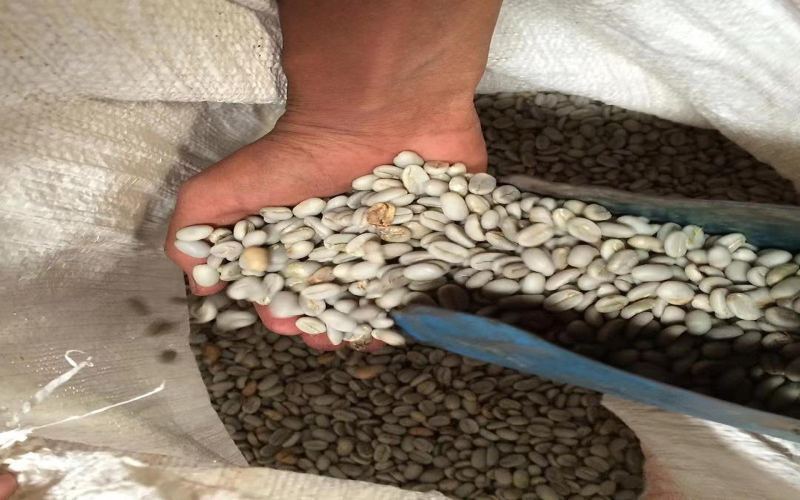
A can of cold brew: flavor differences from light to dark roast
The home method for cold brew coffee is not complicated; what truly shapes the final style is often the roast level of the coffee beans. Steeped in cold water the same way, light roasts tend to leave bright fruity acidity and aroma, medium roasts come across sweeter and smoother, and dark roasts have pronounced cocoa, nutty notes, and a heavy body. To make a jug of cold brew that suits your taste, [more…]

Can Blended Coffee Beans Be Used for Cold Brew? A Detailed Guide to Cold Brew Ratios and Practical Experience
In the heat of summer, a refreshing glass of cold brew is the go-to choice for many coffee lovers looking to beat the heat. But have you ever considered that coffee beans blended from two or more varieties can also produce an outstanding cold brew? Cold brew, due to its low-temperature, long-duration extraction, has a richer, smoother mouthfeel, yet its floral and fruity notes gradually fade with storage time. This article draws on the hands-on experience of Front Street Coffee, first outlining the characteristics of cold brew and the advantages of blended beans, then recreating several blending experiments one by one: from Sidra with Geisha, Pacamara with Red Cherry, to Huakui paired with Strawberry Candy and Wangshan Geisha, and finally challenging the dark-roasted Queen's Estate blended with Flower God. Some of these recipes are full-bodied and layered, while others flop into a "mask of pain," yet they perfectly showcase the fun and possibilities of blended cold brew. [more…]
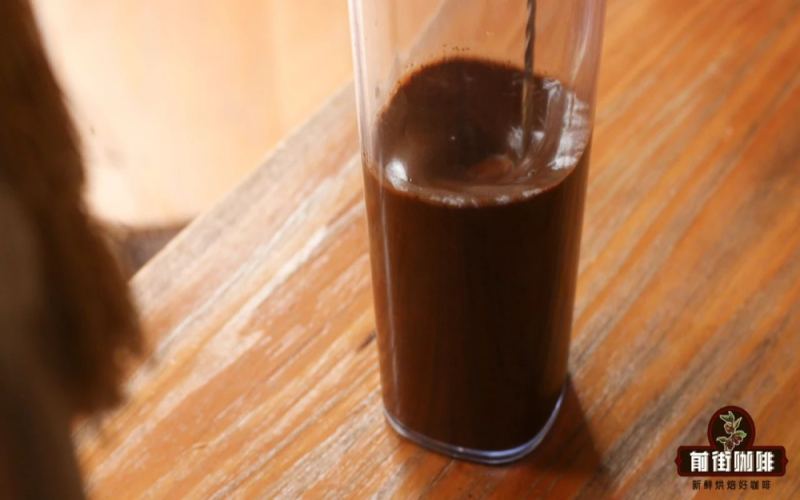
The Complete Guide to Choosing Beans for Cold Brew Coffee: From Fruity and Floral to Dark Roast, an Easy-to-Master Brewing Approach for Beginners
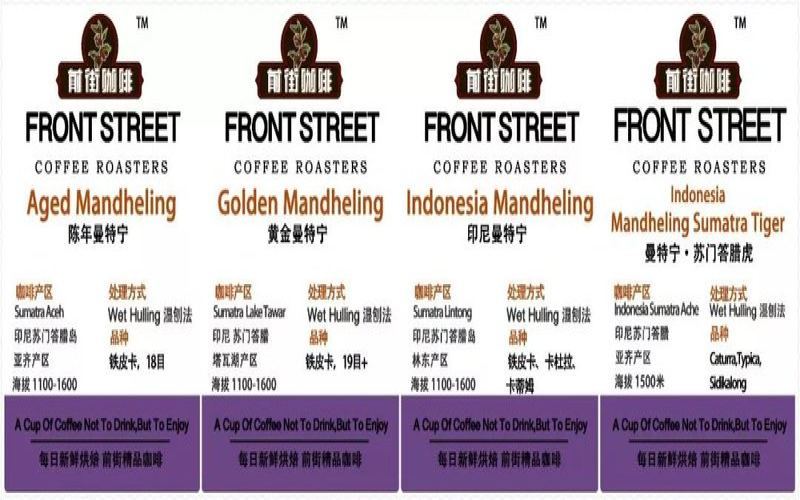
Cold brew coffee, through its unique low-temperature slow extraction method, reduces acidity and bitterness while locking in aroma, resulting in a fuller and more balanced taste. But with such a dazzling array of coffee beans, how should beginners choose? This article draws on the daily experience of Front Street Coffee baristas to systematically sort out the logic of bean selection by flavor type: those who prefer bright fruity acidity can choose washed beans from Kenya, Ethiopia, and the like, such as Front Street Little Tomato and Front Street Fruit Ding Ding; those who like softer fruity notes are recommended sun-dried Front Street Flower Queen and Front Street Red Cherry; those who want to try specific aromas will find specially processed beans such as Front Street Strawberry Candy and Front Street Xizhua to be good choices; and if you do not like acidity, medium-dark roasted Front Street Queen's Manor, Front Street Bird of Paradise, and even dark-roasted Front Street PWN Golden Mandheling can satisfy you. In addition, the article also shares a little trick—adding a small amount of dried osmanthus or jasmine flowers can give cold brew an extra touch of delicate floral fragrance. [more…]
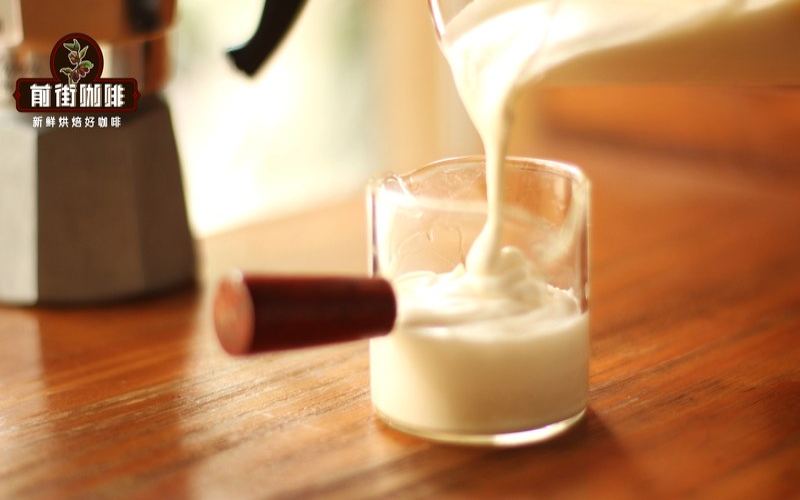
Cold brew and ice drip bean selection: light, medium, and dark roasts each have their own delicious methods
Both cold brew and ice drip extract coffee flavors at low temperatures and slowly, making the roast level an important clue for judging the cup. Light-roasted beans tend to retain vivid fruity notes, medium-roasted beans show more sweetness and smoothness, while dark-roasted beans bring cocoa, nutty notes, and a deep, steady body. First decide whether you prefer something refreshing or rich, then choose from [more…]
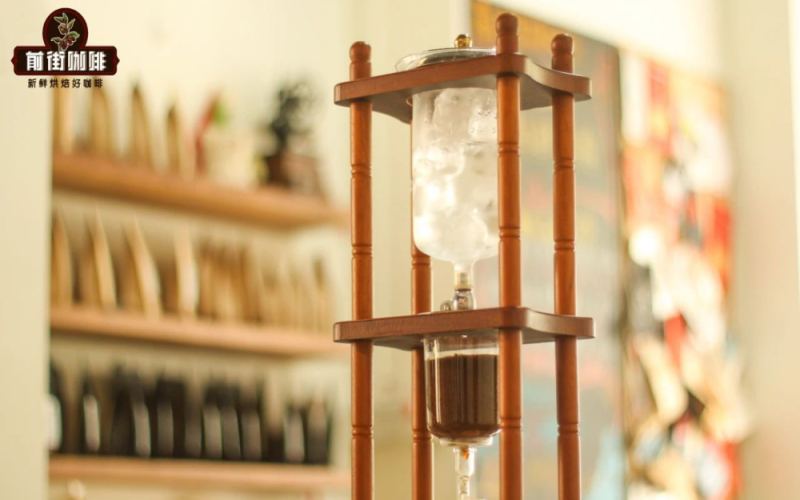
How does Queen's Estate cold brew coffee taste? Analyzing the advantages of medium-dark roasted beans in cold brew extraction
Cold brew coffee is a popular method for making cold coffee in hot weather, and choosing the right beans often determines the quality of the final product. This article uses Front Street Coffee's Brazil Queen's Estate beans as an example to document in detail the key parameters for cold brew production, including the ratio, grind size, and drip rate, and explains step by step the complete process from adding grounds and pre-wetting to refrigerated oxidation. At the same time, the article will explain why medium-dark roasted coffee beans are more suitable for making cold brew, and how Queen's Estate cold brew ultimately presents chocolate, nut, and peanut aromas, with a smooth mouthfeel, low acidity, and a sweet aftertaste. If you are looking for a bean suitable for cold brew, or want to improve the consistency of cold brew extraction, this content will provide specific and actionable references. [more…]
How to Choose Beans for Cold Brew Coffee by Roast Level: A Flavor Guide from Light to Dark Roast
Cold brew isn't simply swapping hot coffee for ice water; instead, it lets water pass slowly through the coffee grounds, collecting a concentrated liquid after a longer contact time. The low-temperature environment suppresses sharp acidity but also amplifies the differences in body between beans. Selecting beans by roast level lets you first decide whether you want a crisp fruity aroma, a rounded sweetness, or [more…]
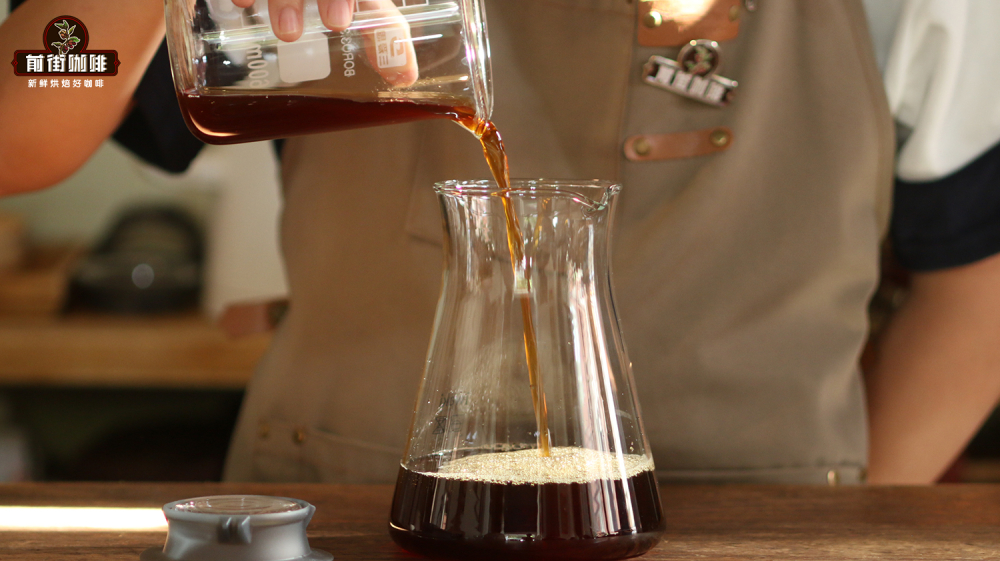
Cold Brew Coffee Beans Recommendation | Are Medium-Dark Roast Single-Origin Beans Suitable for Cold Brew? Can Cold Brew Coffee Be Made with Hot Water? Guide to Cold Brew Grind Size, Steeping Time, and Coffee-to-Water Ratio
Besides being extracted with hot water, coffee can also be made with cold water. Coffee made with cold water is called "cold brew coffee," and it has a distinct charm compared to hot-brewed coffee. Cold brew coffee is divided into cold water brew and ice drip coffee; cold water brew involves soaking coffee grounds in cold water, while ice drip coffee refers to the use of a drip filtration method. [more…]
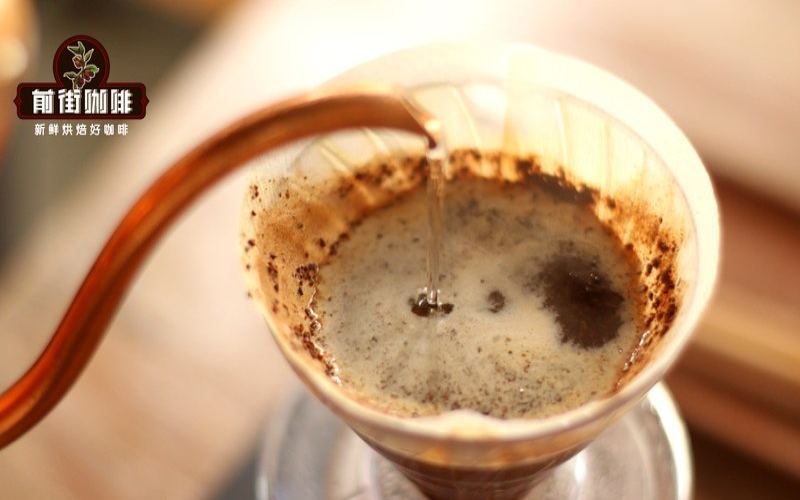
Choose Cold Brew Coffee Beans by Roast Level Like This
The refreshing, sweet, or full-bodied character of cold brew coffee is closely tied to the roast level of the beans. Long, low-temperature extraction softens the acidity and amplifies the aroma and sweetness profile. When choosing beans, first check the packaging for light, medium, or dark roast, then consider whether you want to drink it black, over ice, or with milk—this will make your choice much more [more…]
Choose cold brew coffee beans by roast level like this
The refreshing, sweet, or heavy character of cold brew coffee is closely tied to the roast level of the beans. Long, low-temperature extraction softens the acidity and accentuates the aroma and sweetness. When choosing beans, first check whether the packaging says light, medium, or dark roast, then consider whether you want to drink it black, over ice, or with milk—this will make your choice much more [more…]
How to Choose Coffee Beans for Cold Brew? From Roast Level to Processing Method, Front Street Teaches You to Lock in Your Ideal Beans by Flavor
Cold brew coffee, through its low-temperature slow extraction process, reduces the presence of acids and the volatilization of aromas, resulting in a fuller, more balanced flavor. But with such a dazzling array of coffee beans to choose from, how should you make your selection? This article analyzes the cold brew performance of different beans one by one, from floral and fruity profiles to specific flavors to medium-dark roasts, and recommends specific products such as Front Street Coffee's Little Tomato, Front Street Coffee's Huakui, and Front Street Coffee's PWN Golden Mandheling. In addition, it shares a tip for adding dried flower petals, giving cold brew coffee a delicate floral note within its single-origin flavor. Whether you prefer bright fruit acidity or the rich depth of chocolate, you can find a cold brew bean solution that suits you. [more…]
Roast level determines the lightness and richness of cold brew.
The flavor direction of cold brew coffee is closely related to the roast level of the beans. Light-roasted beans, under low temperature and a slow water flow, tend to present floral notes, fruity acidity, and a bright sweetness; medium-roasted beans have a rounder mouthfeel and are suitable for making smooth, easy-drinking iced coffee; dark-roasted beans bring cocoa, nut, and caramel notes to the forefront, making them suitable for those who prefer a heavy [more…]
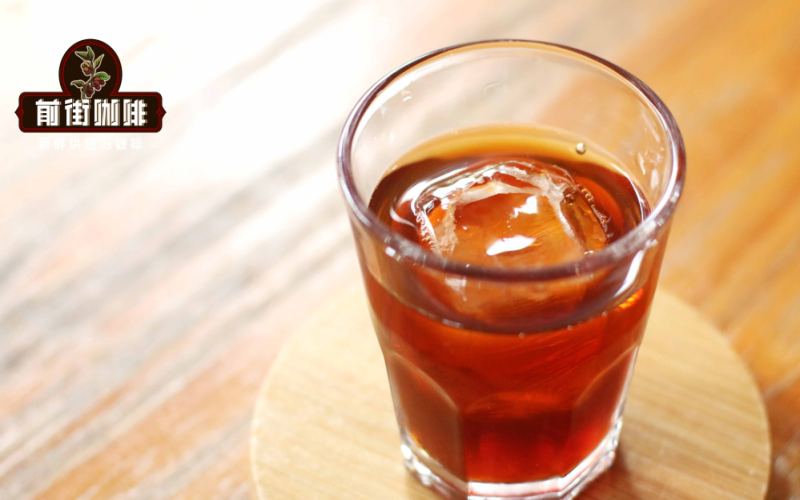
Is Cold Brew Coffee High in Caffeine? A Health Guide to Brewing Methods and Shelf Life
Cold brew coffee has gained much popularity in recent years, but many people wonder whether its caffeine content is on the high side, how to brew it more healthily, and how long it can be stored. This article will start from the principles of caffeine release, explain why cold brew coffee has a relatively high caffeine content, and introduce a simple and easy cold brew recipe in detail. At the same time, Front Street Coffee will recommend coffee beans suitable for cold brew based on different needs such as floral and fruity notes, specific flavors, and medium-dark roasts, and share the clever idea of adding dried flowers to enhance the flavor, helping you make a cup of full-bodied, well-balanced iced coffee. [more…]
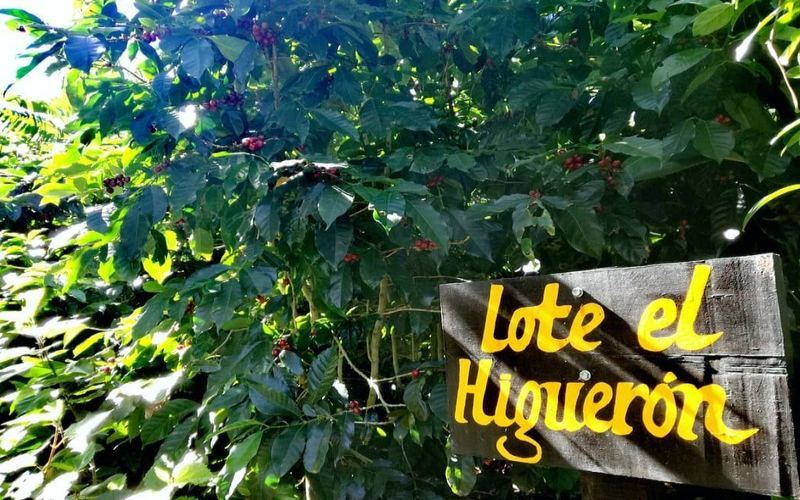
Choosing Beans for Cold Brew Based on Roast: Finding Fruity Notes, Sweetness, and Body at Low Temperatures
The charm of cold brew coffee lies in how low temperatures and prolonged contact soften the palate: acidity feels less sharp, and bitterness is less likely to dominate your attention. Different roast levels leave different focal points in the final cup: light roasts lean toward bright fruit notes, medium roasts more readily achieve a sweet, well-rounded balance, while dark roasts rely on cocoa, nuts, and a hefty body. [more…]
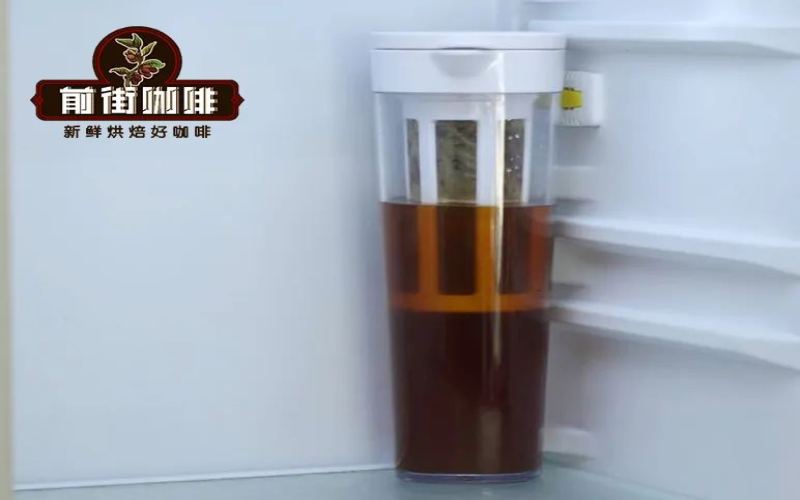
The Complete Guide to Making Cold Brew Coffee: Bean-to-Water Ratio, Grind Size, and Blend Selection
To make a cup of full-bodied, well-balanced cold brew at home, bean selection and parameters are equally key. Starting from the extraction principles of cold brew, this article explains specific brewing parameters in detail, such as a 1:12 coffee-to-water ratio and an 85% pass rate through a No. 20 sieve, and recommends coffee beans suitable for cold brew by flavor type: from washed beans from African regions such as Kenya and Ethiopia, to sun-dried beans with soft fruit tones, to concrete-flavored blends such as Strawberry Candy and Butterfly, as well as chocolate-toned options from medium-dark and dark roasts. Finally, it shares a little trick—adding dried osmanthus or jasmine flowers to give the cold brew an extra layer of delicate floral aroma. Whether you prefer bright fruity acidity or rich cocoa, you can find the cup that suits you. [more…]
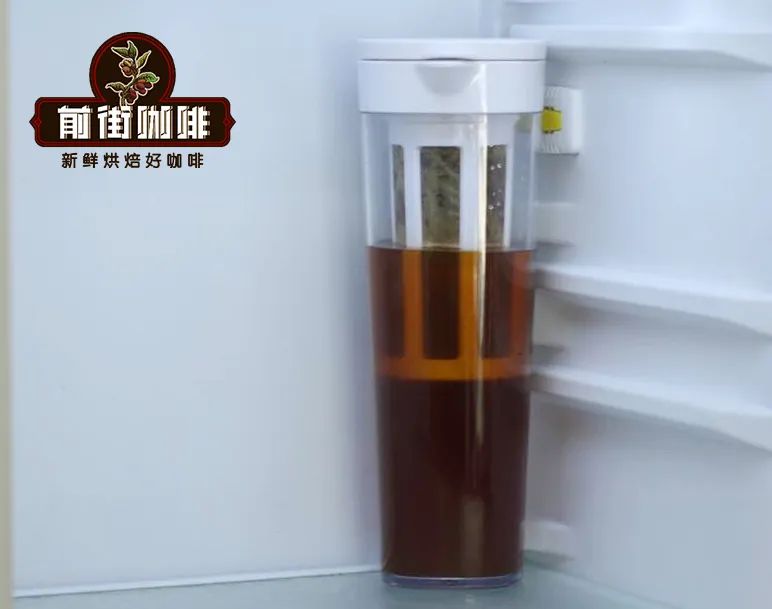
Cold Brew Coffee Brewing Steps | What Water to Use for Cold Brew Coffee? How to Choose Single-Origin Beans for Cold Brew Coffee? What Is the Coffee-to-Water Ratio, Time, and Grind Size for Making Cold Brew Coffee?
For more specialty coffee knowledge, please follow: Front Street Coffee (Frontsteet Coffee). A while ago, Front Street shared a guide on how to make cold brew coffee, and afterward many readers started asking in the comments how to choose beans for cold brew. So today, let's analyze and answer this question together. [more…]

How do you make cold brew coffee taste great? Master the three key parameters: grind size, coffee-to-water ratio, and steeping time.
Cold brew, put simply, is made by mixing ground coffee with water and letting it sit in the refrigerator. The barrier to entry isn't high. So why does the cold brew so many people make always come out thin and flavorless? The problem usually lies in imprecise parameters. Grind size, coffee-to-water ratio, and steeping time—these three variables directly determine the strength and flavor direction of a cup of cold brew. Grind too coarse and the flavor won't extract; add too much water and the concentration gets diluted; not enough time and the compounds won't dissolve sufficiently. This article will break down how to set these three core parameters one by one, and offer guidance on choosing beans—for a juicy character, choose a light roast; for more concrete, vivid flavors, choose a heavily fermented process; for a heavier mouthfeel, choose a medium-dark or dark roast. I'll also share a little trick: dark-roast beans with osmanthus. [more…]
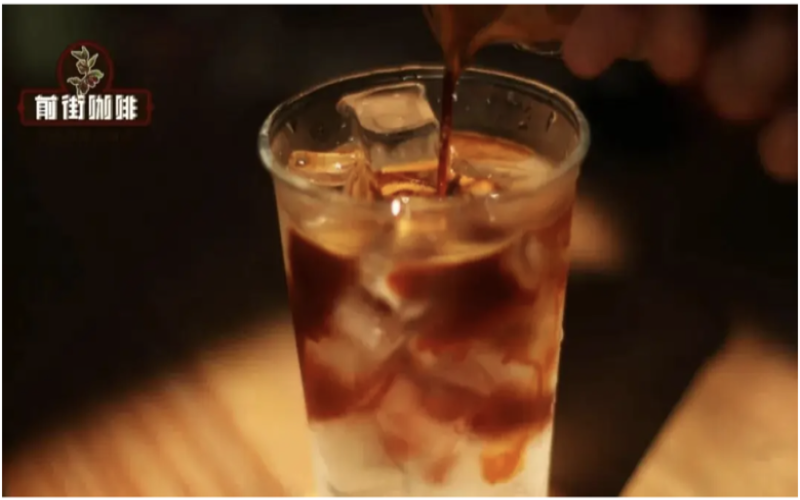
Origin Selection for Cold Brew: Flavor Changes Under Low-Temperature Extraction
The charm of cold brew lies in how low-temperature slow extraction reshapes flavor—the same beans can taste completely different when hot-brewed versus cold-brewed. Understanding how beans from different origins change under low-temperature extraction gives you a deeper basis for choosing beans for cold brew. Light-roasted beans from African origins show the most noticeable changes in cold brew. Beans with bright acidity when hot-brewed, in cold brew [more…]